Nutrition is the foundation of your bird's health, longevity, and quality of life. Yet it is one of the areas where misinformation is most common. Many bird owners rely on an all-seed diet simply because that is what pet stores recommend, but seeds alone are nutritionally incomplete for most companion bird species. At Markham Feather & Nest, we work with every client to understand and optimise their bird's diet, and this guide covers the essentials every owner should know.
Why Seeds Alone Are Not Enough
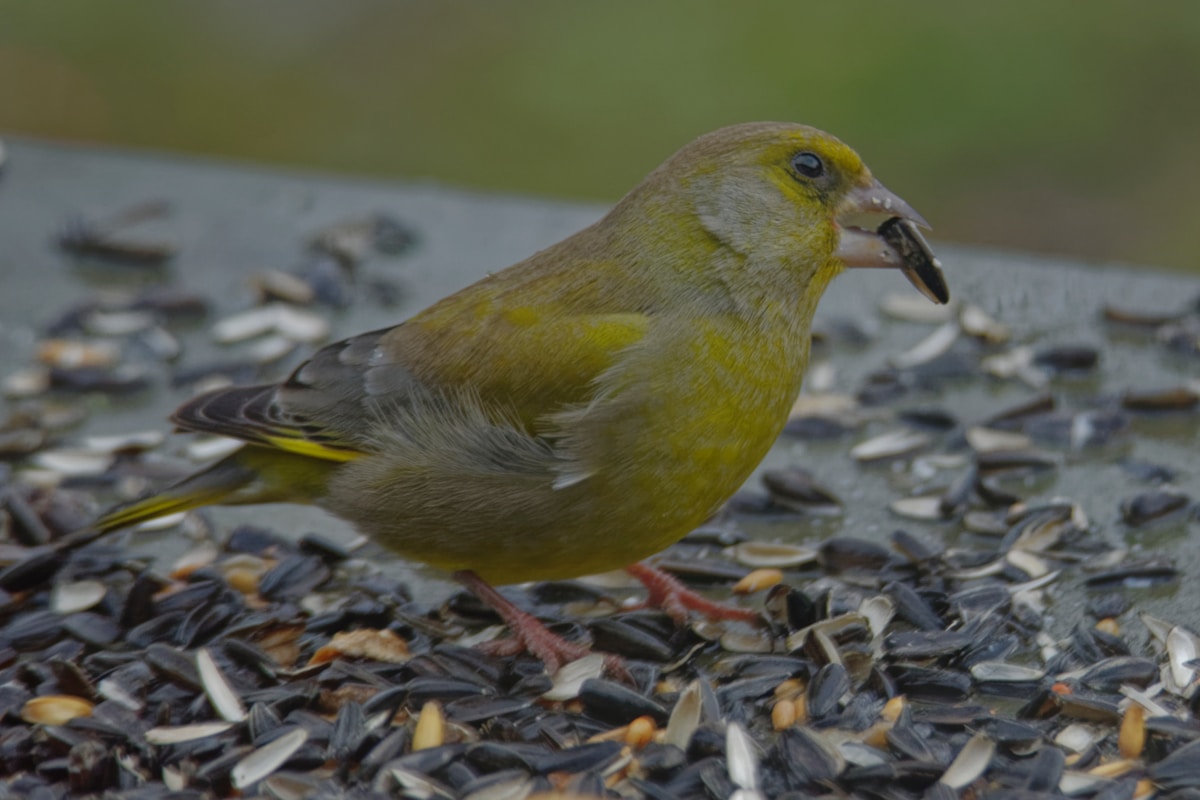
Seeds are high in fat and low in essential vitamins and minerals, particularly vitamin A, calcium, and amino acids. A bird that eats only seeds is essentially living on the avian equivalent of fast food. Over time, this leads to obesity, fatty liver disease, weakened bones, and poor feather quality.
That does not mean seeds are bad. They are a natural part of many birds' diets and can be offered as treats or as a small component of a balanced meal. The problem arises when seeds become the entire diet.
The Role of Pellets
High-quality formulated pellets should make up approximately 50 to 70 percent of most companion birds' diets. Pellets are designed to provide complete and balanced nutrition in every bite, eliminating the selective eating problem that occurs with seed mixes, where birds pick out the fattiest seeds and ignore the rest.
Transitioning a seed-addicted bird to pellets can take patience. Start by mixing a small amount of pellets into the seed dish and gradually increasing the ratio over several weeks. Some owners find that offering pellets in the morning, when the bird is hungriest, helps encourage acceptance. Never remove all food at once to force a switch, as birds have fast metabolisms and can become dangerously ill if they stop eating even for a day.
Fresh Fruits and Vegetables
Fresh produce should make up about 20 to 30 percent of your bird's diet. Dark leafy greens like kale, spinach, and Swiss chard are excellent sources of calcium and vitamin A. Sweet potatoes, carrots, and bell peppers provide beta-carotene and other antioxidants. Berries, apples (without seeds), grapes, and melon are popular fruit choices that most birds enjoy.
Variety is key. Rotating different fruits and vegetables throughout the week ensures your bird gets a broad spectrum of nutrients. It also keeps mealtime interesting, which is important for intelligent species like parrots and cockatoos that can become bored with repetitive diets.
Always wash produce thoroughly to remove pesticides. Organic options are preferable when available, especially for thin-skinned fruits and leafy greens.
Protein Sources
Most companion birds benefit from small amounts of protein beyond what pellets provide. Cooked eggs, including the shell for extra calcium, are an excellent option. Cooked legumes like lentils and chickpeas are also well-tolerated by most species. Some birds enjoy small amounts of cooked chicken or fish, though this is more appropriate for larger species like macaws and cockatoos.
Sprouted seeds and grains offer a nutritional boost over dry seeds. The sprouting process increases vitamin and enzyme content while reducing fat. Many Markham bird owners we work with have started incorporating sprouts into their birds' diets with excellent results.
Foods to Avoid
Some common human foods are toxic to birds and should never be offered:
- Avocado — contains persin, which is toxic to birds
- Chocolate — contains theobromine, which birds cannot metabolise
- Caffeine — found in coffee, tea, and many sodas; dangerous to birds
- Alcohol — even small amounts can be fatal
- Onions and garlic — can cause red blood cell damage
- Apple seeds and fruit pits — contain cyanide compounds
- High-salt and high-sugar processed foods — no nutritional value and can cause organ damage
When in doubt about whether a food is safe, do not offer it until you have confirmed with a reliable source or your avian veterinarian.
Water Quality Matters
Fresh, clean water should be available at all times. Change the water at least twice daily, more often if your bird tends to dunk food or bathe in its water dish. If your tap water is heavily chlorinated or has a strong mineral content, consider using filtered water. Avoid distilled water, as it lacks the trace minerals that birds need.
Species-Specific Considerations
Different species have different nutritional needs. Lorikeets and lories, for example, require a nectar-based diet supplemented with fresh fruits. Eclectus parrots are prone to vitamin A toxicity and do better on a diet heavy in fresh produce with fewer pellets. Budgies and cockatiels have higher seed tolerance than larger parrots but still benefit from pellets and greens. We describe the diet we keep for each of these birds in our guides to budgie boarding and cockatiel boarding.
Understanding your specific bird's nutritional profile is important. If you are unsure what the ideal diet looks like for your species, consult with an avian veterinarian or ask our team at Markham Feather & Nest. We are happy to share what we have learned from caring for a wide variety of species across the Markham community.
Making Mealtime Enriching
For intelligent species, how you present food is almost as important as what you offer. Foraging opportunities, where food is hidden inside toys, wrapped in paper, or scattered across a tray, stimulate your bird's natural foraging instincts and provide mental exercise. This is especially valuable for birds that spend long hours in their cage during the workday.
At Markham Feather & Nest, we incorporate foraging into every meal during boarding stays. It keeps birds engaged, reduces boredom, and often encourages them to try new foods they might otherwise ignore.
A well-fed bird is a healthy, vibrant, and happy bird. Taking the time to build a balanced, varied diet is one of the most impactful things you can do for your feathered companion's long-term wellbeing.