Conures are the comedians of the parrot world — bold, busy, hilariously expressive little birds packed with more personality than their size has any right to hold. Whether yours is a green-cheek, a sun, a jenday, or a nanday, the same truth applies: a conure is a relationship, not just a pet. Boarding one well means stepping into that relationship for a few days, and that takes attention, patience, and a tolerance for a very loud good morning.
The first thing anyone learns about conures is the volume. These are flock birds that call to keep their group in sight, and a conure parted from its people will often crank up the contact calls to find them again. We don't try to silence that — it's normal, healthy behaviour — but we do place a conure thoughtfully so its natural racket doesn't unsettle quieter guests, and we answer those calls so the bird feels heard rather than abandoned.
The second thing is the need for engagement. A conure left to its own devices for hours grows frustrated, and a frustrated conure gets nippy, screamy, or destructive fast. They crave hands-on play, climbing, snuggling under collars and into hoodies, and the back-and-forth of real attention. We also respect the beak: conures are curious nibblers who test everything with their mouths and can deliver a sharp pinch when overstimulated, so we learn each bird's mood signals and play in a way that keeps fingers and trust both intact.
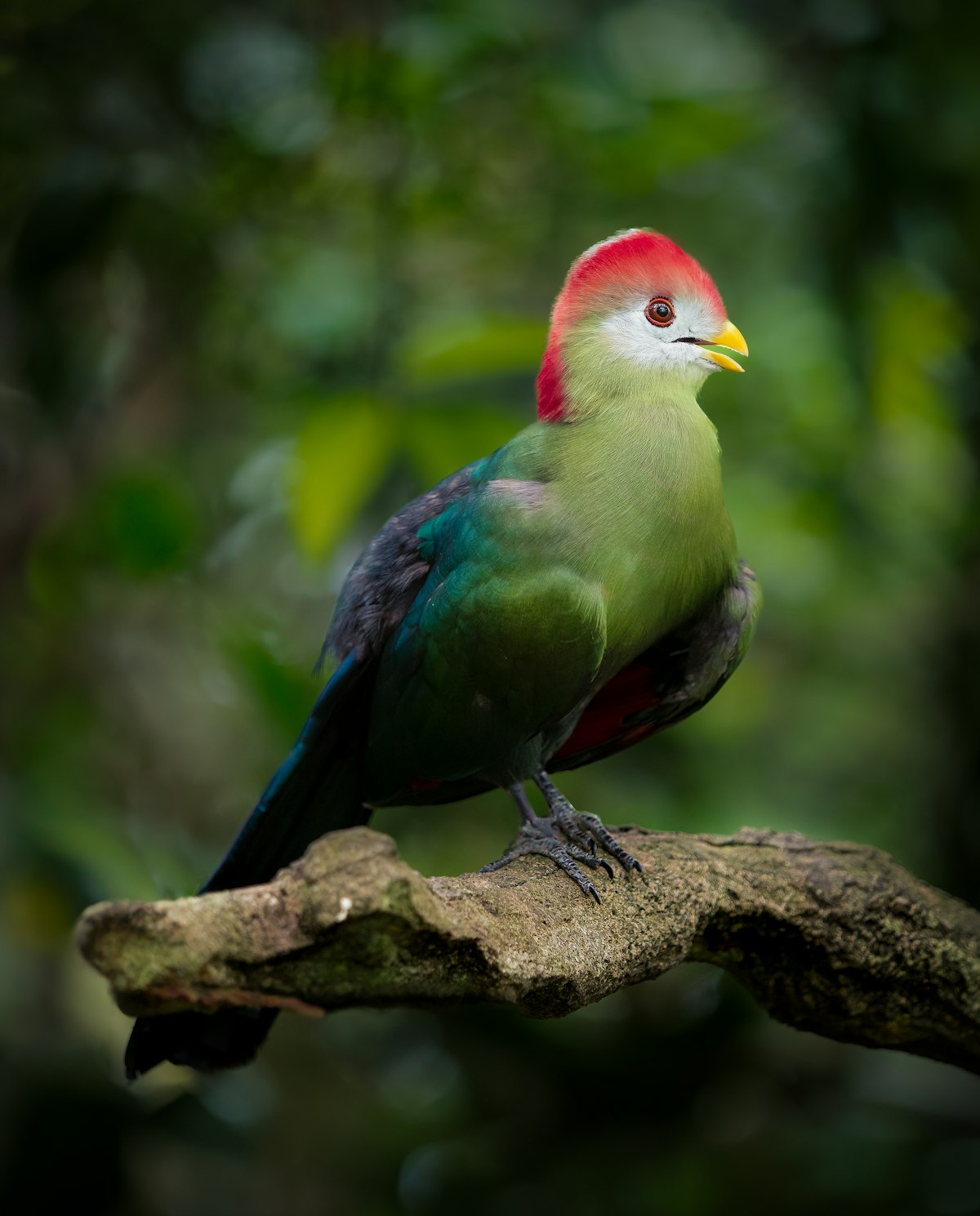
Conures live for play, noise, and company. The whole routine is built to give them all three, safely.
A conure isn't happy parked in a corner. We build in genuine play through the day — climbing, wrestling a favourite toy, tucking into a snuggle-hut for the cuddlers among them — and supervised time outside the cage for hand-tame birds. The attention is the whole point of the stay for a conure, so we don't ration it.
Conures are gloriously, unapologetically loud, and that's just the species. Rather than fight it, we set a conure up where its dawn and dusk calling won't stress the calmer birds, answer its contact calls so it feels in-flock, and keep a steady rhythm so the shrieking stays the happy kind rather than the lonely kind.
These are determined chewers with strong little beaks, so we offer enrichment that's actually built to be destroyed — softwood, shreddable foraging toys, leather and paper to demolish — and we rotate it as it gets wrecked. Active beaks and minds stay busy, which keeps a conure from turning that energy on its own feathers or on us.
Conures love their food and aren't subtle about it. We follow your established diet — a good pellet base, fresh vegetables and fruit, the occasional treat — and keep portions sensible, since a sedentary boarding stay plus an enthusiastic appetite can pile on weight. Fresh water and a clean bowl go without saying.
A normally rowdy conure that goes quiet is telling us something, so we read each bird against its own baseline. We watch eating, droppings, energy, and that telltale chatter several times a day, note anything off, and call your avian vet straight away if a bird seems unwell rather than simply having an off afternoon.
Conures have become hugely popular across Markham, and the green-cheek in particular turns up in a lot of homes around Berczy, Unionville, and Cornell because it's a little quieter and easier-going than its sun and jenday cousins. The catch is that a bird this vocal can be a genuine challenge in a townhouse or condo with shared walls, which is one reason owners look for boarding rather than leaving a conure to scream the days away alone. We're set up for the volume, so you can travel without worrying about a noise complaint following you out the door.
Because conures bond so tightly and play so physically, we always suggest a meet-and-greet first — it lets your bird size us up and lets us learn its play style, its nip-warnings, and its favourite person's tricks. Throughout the stay you'll get a daily photo and a frank update on how your conure is eating, playing, and sounding off, the details that tell you your little clown is genuinely having a good time rather than just getting through it.
Calm, trust-first care for a brilliant, sensitive parrot that thinks before it bonds.
Ways to keep a busy, beak-driven bird occupied and out of mischief.
Simple steps to set up a confident first stay for a high-energy parrot.
